We ran a hackathon
The backstory and the retro
13 weeks ago I got an idea in my head, “Maybe what we need is a good old-fashioned hackathon.”
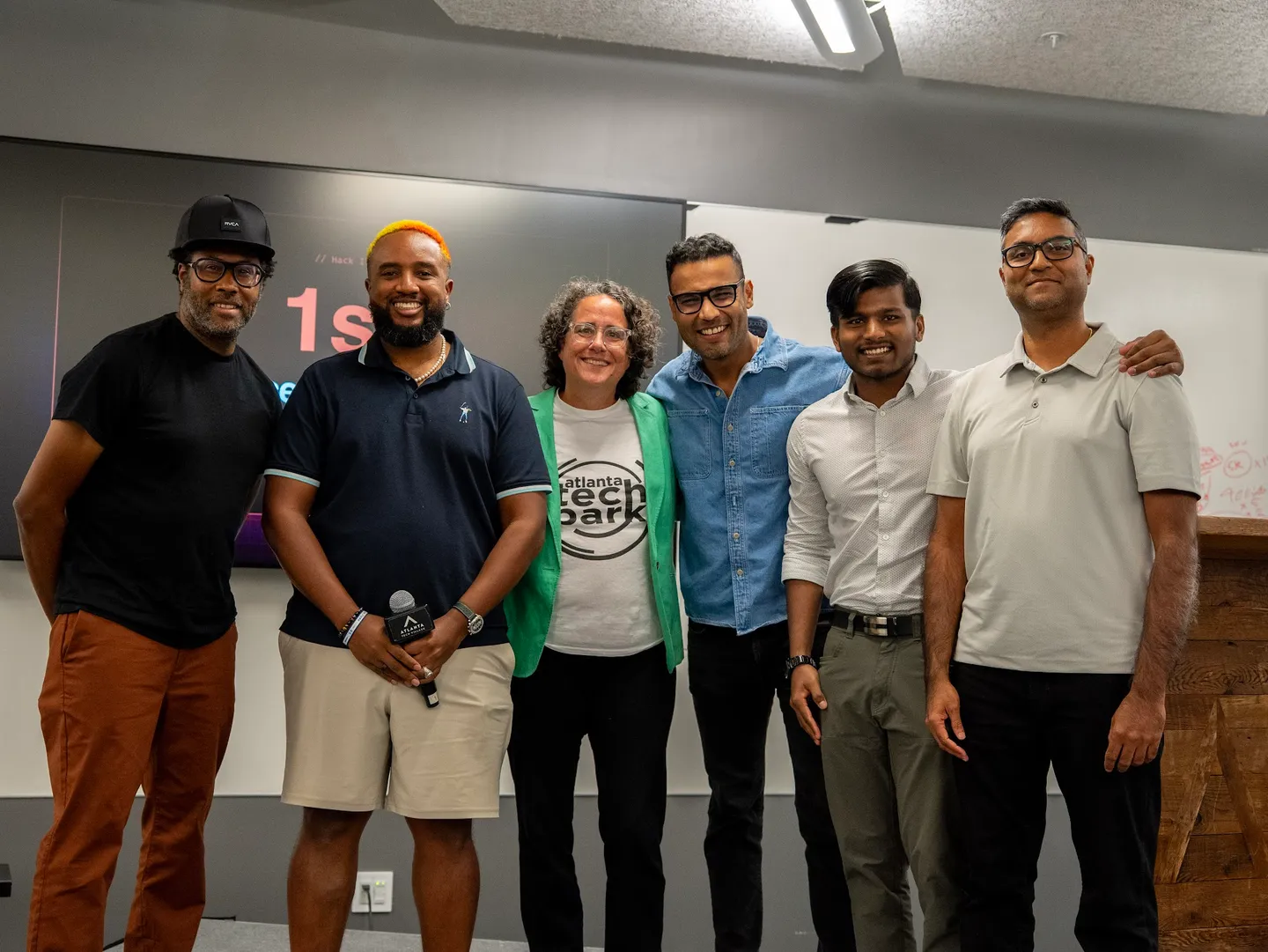
This past weekend, we ran that hackathon with 13 teams competing for bragging rights and a whole bunch of free AI credits from sponsors like Netlify and ElevenLabs.
Here’s how it went down:
Where are all the builders?
One of my most cherished roles right now is my advising position at Atlanta Tech Village. ATV was born out of the Pardot acquisition. It’s where I started my career in startups, back when the building was still being renovated from stodgy corporate office units into an open co-working space.
As an advisor, I pop into the community center—either at ATV Buckhead or the sunshine-filled Sylvan in South Downtown—for a few hours every month. During those hours, I’m there to consult with founders and entrepreneurs. 90% of the time I’m telling them they should launch their product faster, sell their product sooner, go find their first round of beta users or “design partners.”
But over the past year I’ve noticed we always seem to have more advisors than founders in the room. With all of the advancements in AI, there’s never been a better time to build. So where are all of the cool new companies?
My hypothesis was: I think there are TONS of us building personal apps and new products alone at home. Maybe an intentional in-person event could lead to some founder matchmaking.
Making a hackathon happen: 13 weeks from idea to execution
On the last Friday in June, I posted a message in the Old Girls Club Slack:
💡 Anybody in Atlanta want to plan organize a hackathon / business idea matchmaking thing?
By the following week, I was on a mission to:
- Design the event
- Nail down the venue
- Select a date
- Recruit volunteers
- Woo sponsors
- Drive signups
- Line up speakers
- Build the judges panel
- Write a Code of Conduct
- Define intellectual property ownership
- Finalize judging criteria
- Order catering
- Hire a photographer
- Make the Spotify playlist
- Spin up a Discord
- Prepare a keynote
and generally pull the rest of the loose ends together.
We used Kilo, Claude Design, Netlify, HubSpot and Eventbrite with Slack and Linear to stay on track.
Along the way, I consulted friends and attended other local hackathon events to prepare for the experience. Up until this month, I had never participated in a hackathon as anything more than a marketing sponsor.
Is this actually going to work?
In the week leading up to the event, my anxiety was through the roof. If you’re familiar with the show Widow’s Bay, my biggest fear was this would be a Patricia’s Sunset Cocktails situation.
Would anybody actually show up? Would the food deliveries arrive on time? Would I wake up from a trance and realize I’d lured all the hackathon participants outside onto a haunted beach?
But when the first attendees showed up 30 minutes before “doors open” on Saturday morning, all of that anxious energy left the room and we switched into high-gear to have some fun.
There were a lot of hiccups and things I’d do differently next time but the highlights will stick with me.
Highlights
- The triumphant fist pump “yes!” from a student who got named in the Top 5
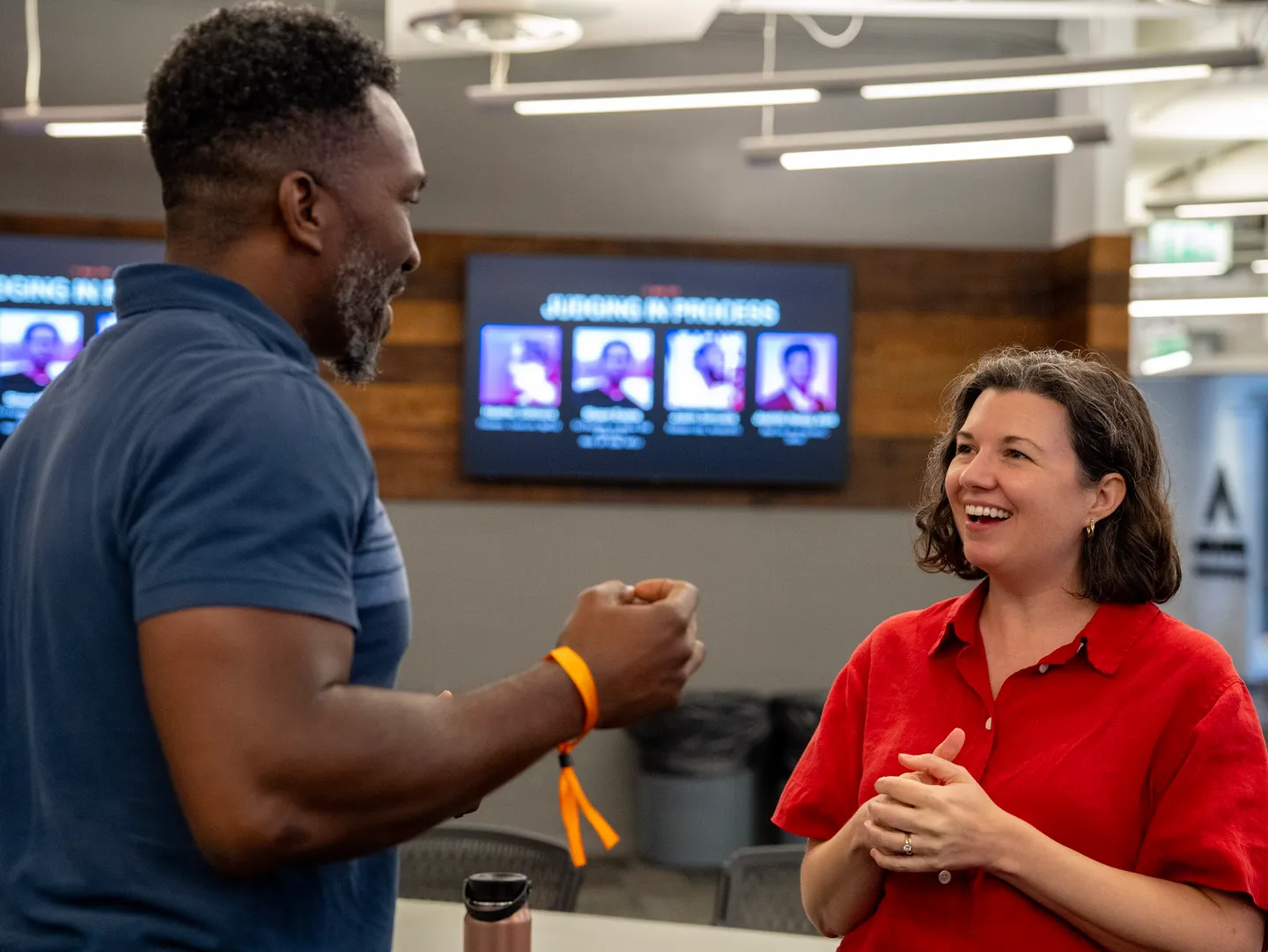
- Watching all of the demo videos with our judges—every single submission was so impressive!
- Getting text messages from volunteers and facilitators that builders were still building late into the night and early the next morning
- Learning somebody booked an AirBNB nearby just for this event
- Learning somebody showed up in the afternoon just to hear from one of the tech talk speakers
- Chatting afterwards with a team asking for resources because they want to keep building
Hiccups
If you’re going to try to pull off a similar event, here are a few things I’d look out for:
- Tech sponsor AI credit workflows: We had generous tech sponsors provide AI credits for builders but the workflows to grant credits were manual; it was tricky to get credits to every individual who registered and I wonder if outcomes for some teams would have been stronger if they’d had equal access to resources sooner
- Claude slop slides: Almost all of the teams used Claude or similar to create presentations for their on-stage demos, which meant every presentation was super-dense, verbose and took more than 15 minutes to present; I wish I’d given some stricter guidance upfront that on-stage demos should be edited down to a tight 5 minutes
- Matching talent to the strongest ideas: During team matchmaking, we heard so many pitches for strong ideas but some of the best ideas from a business validation standpoint didn’t get strong interest from participants; next time I would put a bit more energy to reduce bias in team matchmaking so nobody got stranded with a good idea and no support to build it
- Coordinating 24-hour volunteer coverage on-site: Our intention was to give attendees 24-hour access to the Event Center but we were running lean on volunteers who could chaperone attendees across the entire duration of the event; some builders got locked out of the room Sunday morning and we could have prevented this with better communication and defined shifts
Wake up and build
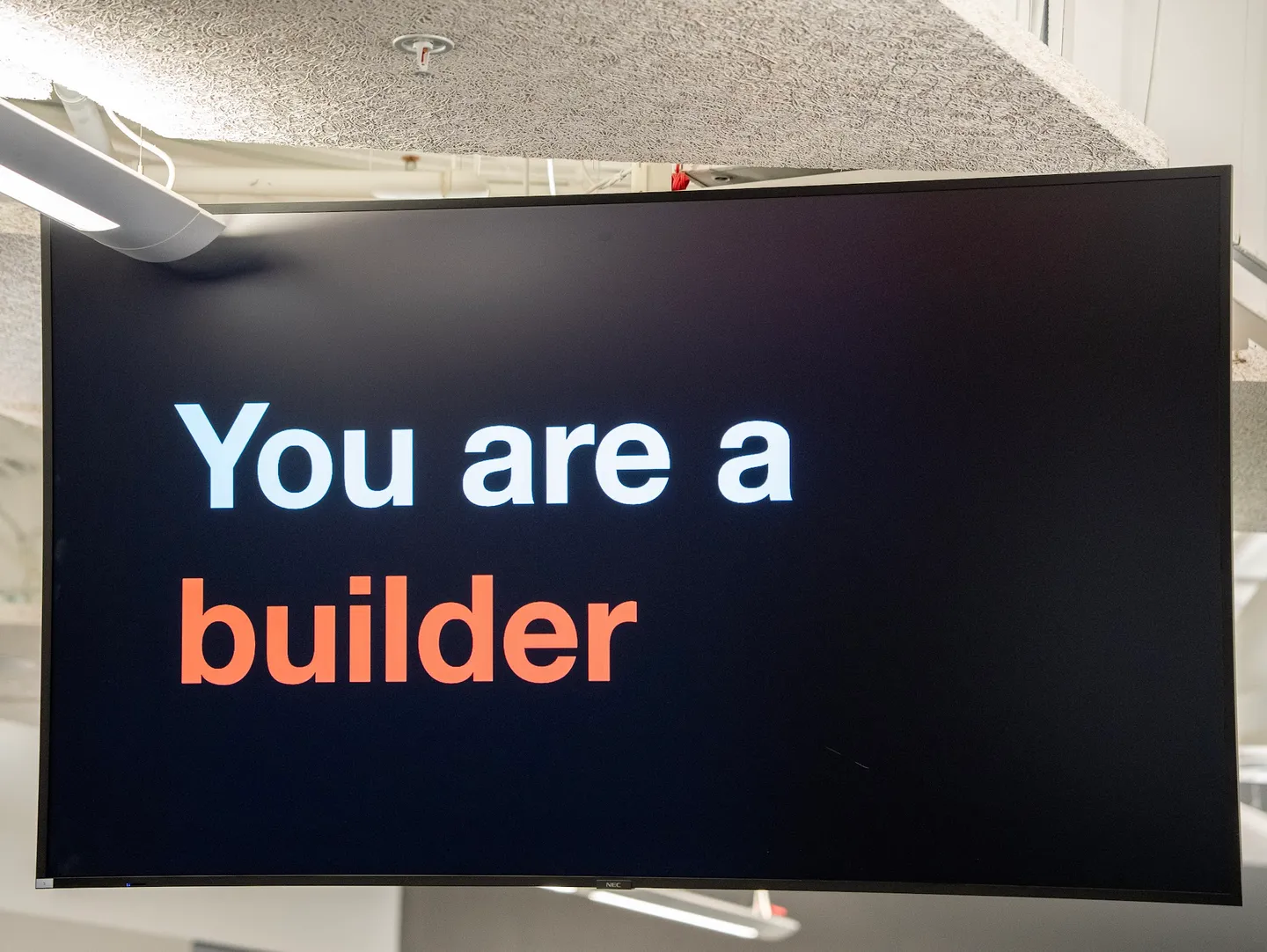
During opening ceremonies on Saturday, I made a pitch to the attendees that’s really a message I wanted to tell myself. That is: no matter how the technology changes, no matter how much AI is changing the way we work, you can always wake up and build something.
Creativity is in our nature. It’s a purpose nobody can take away from you.
Builders gotta build. And sometimes it’s more fun when we choose to build things together.